Muslim
Liberation
Theology
An intellectual project grounded in Islamic principles of justice and carried by Muslims who bear freedom as a trust.
“Not a theology about liberation, but theology done from within the struggle, where spirituality becomes responsibility and remembrance becomes resistance.”
“It is not the Islamic that liberates. It is the Muslim who dares to live by Islamic principles as liberation.”
“Liberation theology is not a settled doctrine. It is a mode of reasoning under pressure, and it is often forged where the cost of speech is high.”
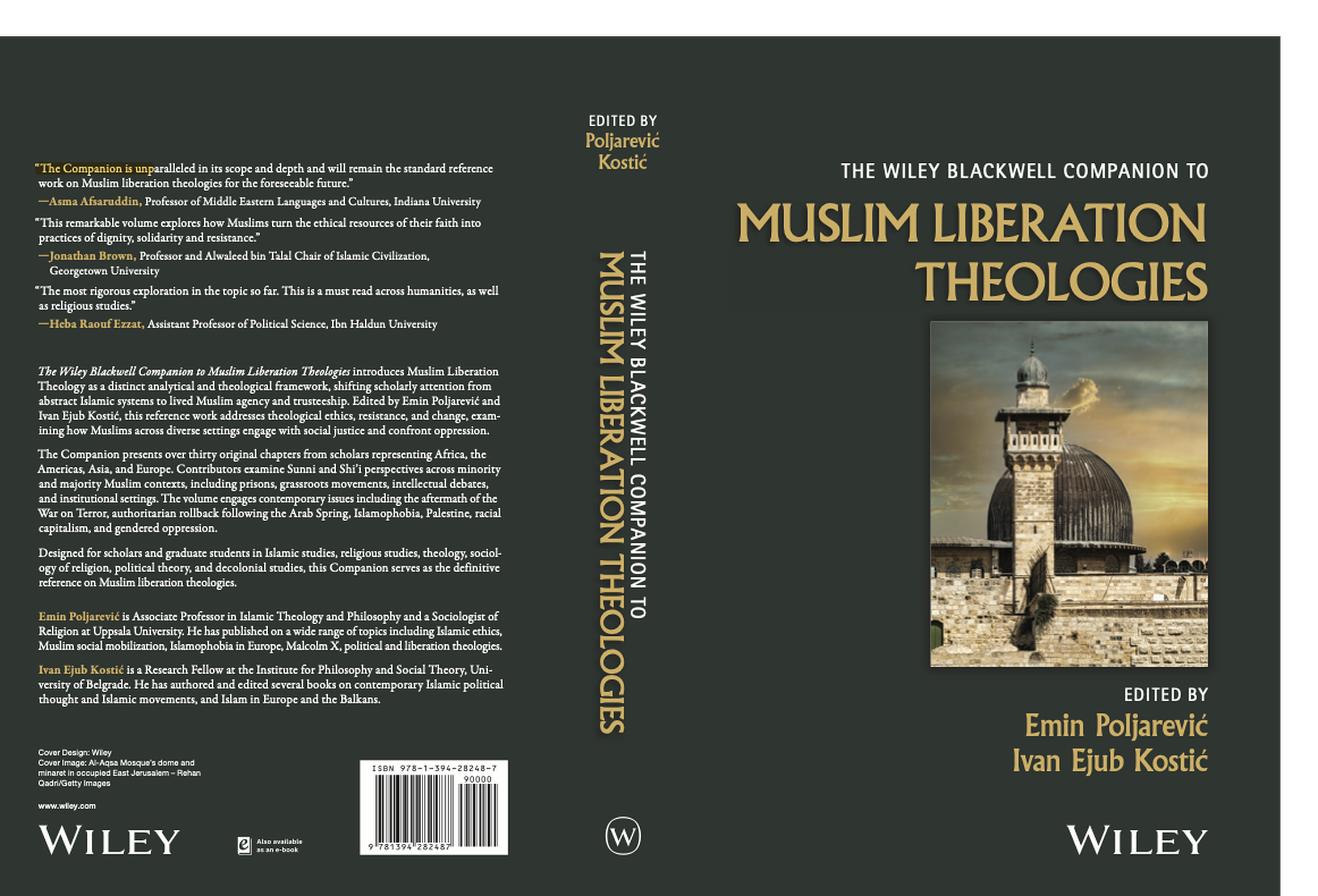
The Companion
592 pages · 32 chapters · five parts · Sunni and Shīʿī voices from West Africa to India, Morocco to Brazil and Malaysia
“The Companion is unparalleled in its scope and depth and will remain the standard reference work on Muslim liberation theologies for the foreseeable future.”
“This remarkable volume explores how Muslims turn the ethical resources of their faith into practices of dignity, solidarity and resistance.”
“The most rigorous exploration in the topic so far. This is a must read across humanities, as well as religious studies.”
“With thirty-two contributions encompassing multiple subjects and addressing the world’s diverse regions, it is thematically fascinating, methodologically gripping, and intellectually engaging.”
Listen. Reflect. Act.
MLT Conversations
The audiovisual journal of the project: sustained conversations with scholars, thinkers, and activists on Islam, liberation, decoloniality, and emancipatory praxis.
-
Genealogies
Anticolonial Islam and the languages of emancipation -
Companion Dialogues
Beyond a Muslim version of Christian liberation theology
Ideas in Movement
Essays & interventions
Method
Recovering anticolonial Muslim thought
How suppressed intellectual histories can help open the future of Islamic thought.
Read essay →MLT in Motion
Neither quietism nor domination
Rethinking Muslim political agency beyond the categories imposed upon it.
Read essay →Manifesto
What does liberation mean in Islam?
A concise statement of the theological, ethical, and political coordinates of the project.
Read essay →A field is measured by the questions it dares to ask.
Receive new essays, conversations, and events, and bring your own questions to the network.